Local Driving Guides
Bangalore Monsoon Driving Safety Checklist for Rental Cars
By Rental Wheelz Editorial Team · Written with AI assistance from Rental Wheelz's published fleet, pricing and policy data · 2026-11-09
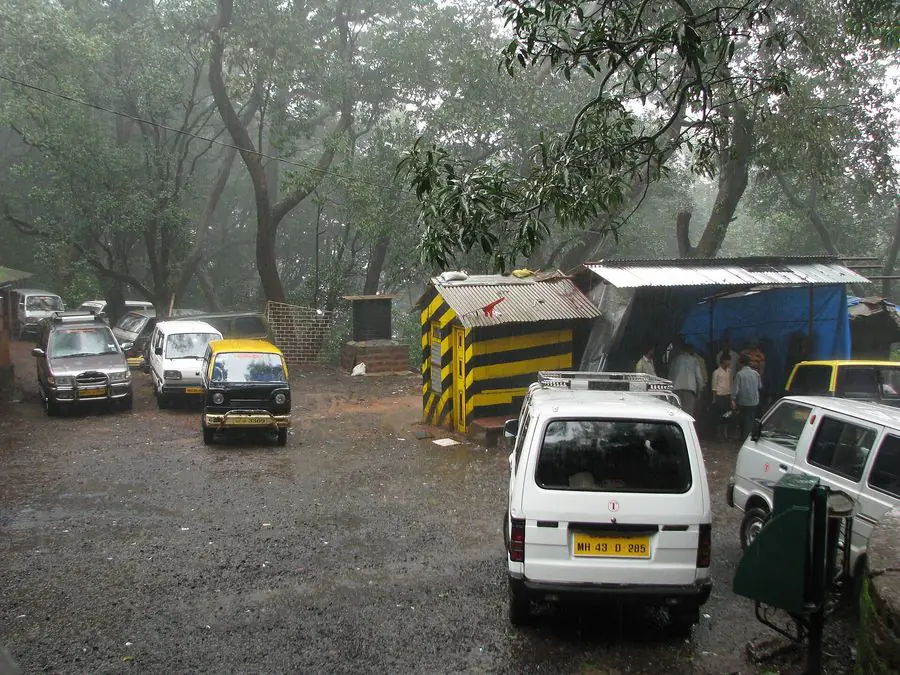
The safest way to drive a rental car through a Bengaluru monsoon is to slow down, keep extra distance, and never enter standing water whose depth cannot be seen. Everything else on this checklist, from clearance to pickup photos, supports those three habits.
Rain in Bengaluru often arrives as short, heavy bursts, commonly in the afternoon or evening, which can flood low-lying stretches quickly and clear again within hours. The guidance below is general safety advice rather than a forecast of any specific road, so local conditions on the day always come first.
How should waterlogged roads and underpasses be handled?
Treat any road with standing water of unknown depth as closed. Water that looks shallow can hide a deep dip, a missing drain cover or a pothole, and a stalled car in the middle of a flooded underpass is a far bigger problem than a ten-minute detour.
- Do not enter flooded underpasses. They are the lowest points on many routes and fill first. If the water is above the kerb line or the vehicles ahead are slowing to a crawl, turn back.
- Follow another vehicle's depth only with caution. A taller vehicle crossing safely says little about a hatchback's chances.
- If water is crossed at all, go slowly and steadily. A constant low speed avoids a bow wave and keeps the engine from taking in water.
- After any puddle, test the brakes lightly while rolling at low speed to dry the pads.
- Check the live traffic layer in the navigation app before setting off, since flooding shows up as sudden red stretches.
Outside the city, the same caution applies more strongly. Our Coorg road trip page notes that B-roads past Madikeri can flood, and the post on why we steer you to NH275 in the monsoon explains the highway preference.
What changes about visibility in the rain?
Rain, spray from larger vehicles and fogged glass cut visibility quickly, and unlit two-wheelers and pedestrians are harder to see.
- Switch on dipped headlights so the car is visible to others, even in daytime rain.
- Use the demister and air conditioning to keep the windscreen clear. Switching the AC on usually clears fog faster than the fan alone.
- Test the wipers before leaving. Streaking or juddering blades are worth mentioning to us over WhatsApp at pickup, not on the road.
- Keep back from buses and trucks, since their spray can blank out the windscreen for a few seconds.
- Pull over somewhere safe if the rain becomes too heavy to see the road edge, and wait it out.
How much further does a car take to stop on wet roads?
On wet tarmac, stopping distances are longer than on dry roads, and first rain after a dry spell can leave a slick film of dust and oil on the surface. Painted road markings, metal manhole covers and leaf litter can be slippery too.
- Double the usual following gap, and increase it further behind two-wheelers, which can lose grip suddenly.
- Brake early and gently, and avoid sharp steering input while braking.
- Reduce speed before bends and on flyover ramps, where water and oil collect.
- If the car starts to aquaplane, ease off the accelerator and hold the steering straight rather than braking hard.
Which car has the ground clearance for a wet day?
Ground clearance helps over uneven, water-covered surfaces, but it is not a wading depth rating, and none of the numbers below mean a car can cross deep water. They are a guide to how easily each car clears rough patches and shallow runoff.
| Car | Ground clearance | Monsoon note |
|---|---|---|
| Maruti Swift | 163 mm | Lowest in the fleet; best kept to main roads and shallow runoff |
| Honda City | 165 mm | Fine for highways; low sedan, so avoid water-covered dips |
| Hyundai i20 | 170 mm | A little more margin than the Swift on uneven city roads |
| Toyota Innova Crysta | 174 mm | Heavier and stable; good for group travel, still not for flooded stretches |
| Hyundai Creta | 190 mm | Comfortable over rough, potholed patches |
| Tata Nexon EV | 190 mm | Same clearance as the Creta; see the EV note below |
| Toyota Fortuner | 224 mm | Highest clearance in the fleet; still avoid deep standing water |
For the pothole side of the story, the post on ground clearance numbers against Bengaluru's potholes compares 163 mm with 190 mm in everyday terms.
Is there anything different about the Nexon EV in the rain?
A standard wet road is not a concern for the Nexon EV: its battery pack is sealed and rated for regular monsoon driving, as covered in our post on driving the Nexon EV through a Bengaluru monsoon. The advice about flooded underpasses is identical to a petrol or diesel car, which is not to enter deep standing water.
- Plan charging before the rain arrives and prefer a covered or sheltered charging point where one is available.
- Wipers, demisting and headlights draw a little power, so add a modest buffer to range planning on wet days.
- Regenerative braking can feel different on a wet surface, so brake smoothly and leave extra gap.
The car's 275 km figure is a rated range, not a guarantee; the Nexon EV page has the specs.
What should be photographed at pickup and return?
Wet weather makes the car dirtier and harder to inspect, so a short photo routine at both ends protects everyone. We photograph the fuel gauge at pickup and return, and the same discipline works for the rest of the car. The ten scenarios on the damage and liability policy page are all assessed against pickup photos.
- All four sides and corners, including the bumpers, close enough to show existing scratches.
- All four wheels and alloys, since rim scuffs are a listed scenario.
- The windscreen, to record any chip or crack before the trip.
- The interior, especially mats and seats, which pick up mud and water.
- The fuel gauge or charge level and the odometer, in line with the fuel policy.
- Timestamps, by sending the photos on the WhatsApp thread the booking sits on.
Water-related damage is not among those ten itemised scenarios. If a trip involves heavy rain, a quick WhatsApp message before booking is the way to ask how it would be handled. If the weather turns and the plan changes, the cancellation policy sets out the refund windows by notice period.
Bengaluru specific
Bengaluru receives rain from both the southwest monsoon (June to September) and the northeast monsoon (October to December), and September and October are typically among its wettest months.