Trust & Policy
What Our Flat ₹1,800 Damage Charge Actually Covers (And What It Doesn't)
By Arjun Rao · Operations Lead, Rental Wheelz — 6 years managing self-drive fleets in Bengaluru · 2026-08-25
Every damage policy in this category says some version of "up to a percentage of car value, subject to inspection." That sentence tells you nothing until the car is already back with you and the number appears. I wrote our damage schedule the other way round: the number exists before the trip starts, and it's the same number for every renter, every time.
Where ₹1,800 actually comes from
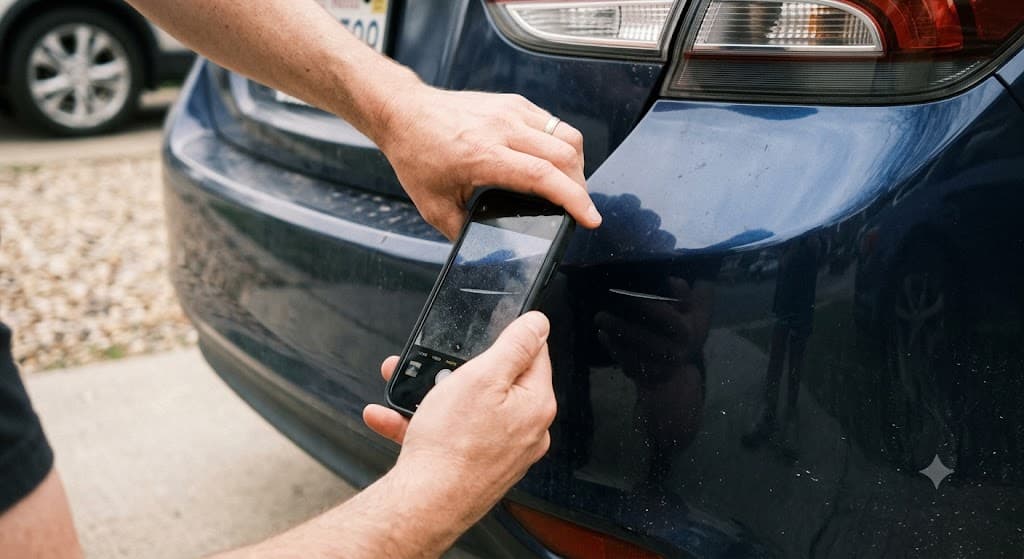
A rear bumper scratch under four inches is the single most common damage claim we process — parallel parking on a narrow Bengaluru street is unforgiving, and bumpers take the hit. ₹1,800 is what our empanelled body shop actually charges to sand, fill, and respray that specific size of scratch on that panel. It isn't a round number we picked to sound fair; it's a real invoice figure. Go over four inches and the cost moves to ₹3,500, because at that size the shop needs a fuller respray, not a spot fix.
The same logic runs through the rest of the schedule. A scuffed alloy wheel rim is ₹1,200 per wheel, checked against the four wheel photos we take at pickup. A windshield chip that can be resin-filled is ₹900 flat, regardless of how big the chip looks — because the garage's resin-fill invoice doesn't change with chip size, so neither does ours. A full crack that needs replacement glass is a different matter entirely, at ₹6,500, because that's an actual replacement part and labour cost, not a repair.
What isn't on the schedule, and why
You won't find "engine damage" or "accident write-off" on our flat-rate table, and that's deliberate — those aren't flat-rate scenarios. A genuine accident goes through the vehicle's own insurance, assessed properly, because pretending a collision has a fixed rupee price the way a bumper scratch does would be dishonest in the other direction. The flat schedule exists specifically for the ordinary wear a rental sees — scuffs, a stained seat, a chipped windshield, a late return — not for writing off a real insurance claim as a lookup-table entry.
A missing-fuel line sits on the same schedule at ₹110 per litre short, matched against the fuel-gauge photo from pickup — the same number as our fuel policy uses, because it's the same real per-litre cost, not two different made-up figures for two different pages. Traffic challans incurred during the rental get forwarded to you at the actual challan amount, with zero markup — we don't treat a government fine as a profit line.
How the assessment actually happens
The process runs on the same three dates as the deposit itself. Day 0, at pickup, we photograph the car's condition and fuel gauge together with you present. Day N, at return, we compare against those exact photos — not a fresh inspection with no baseline, which is how "subject to inspection" disputes usually start elsewhere. If a scenario on the schedule applies, it's charged at that point, and whatever's left of the deposit comes back within 3 business days. Nothing here waits for a manager's discretion call after you've already left.
Why we'd rather show you the table than the marketing line
"Transparent pricing" is a phrase every rental company puts on their homepage. It stops meaning anything the moment you look for the actual numbers behind it and find none. Our damage and liability policy page has all ten scenarios listed with their flat costs, and I sign my name to it because I'm the one who set every figure on it against a real garage invoice. If you can screenshot a clause and hold us to it later, that's the point.
Bengaluru specific
Our empanelled garage quote for a resin-fill windshield chip is ₹900 flat, regardless of chip size — we priced it against the garage's actual invoice, not against what the glass would cost new.